Multi-Location GBP Suspension Risk: How to Protect Your Portfolio
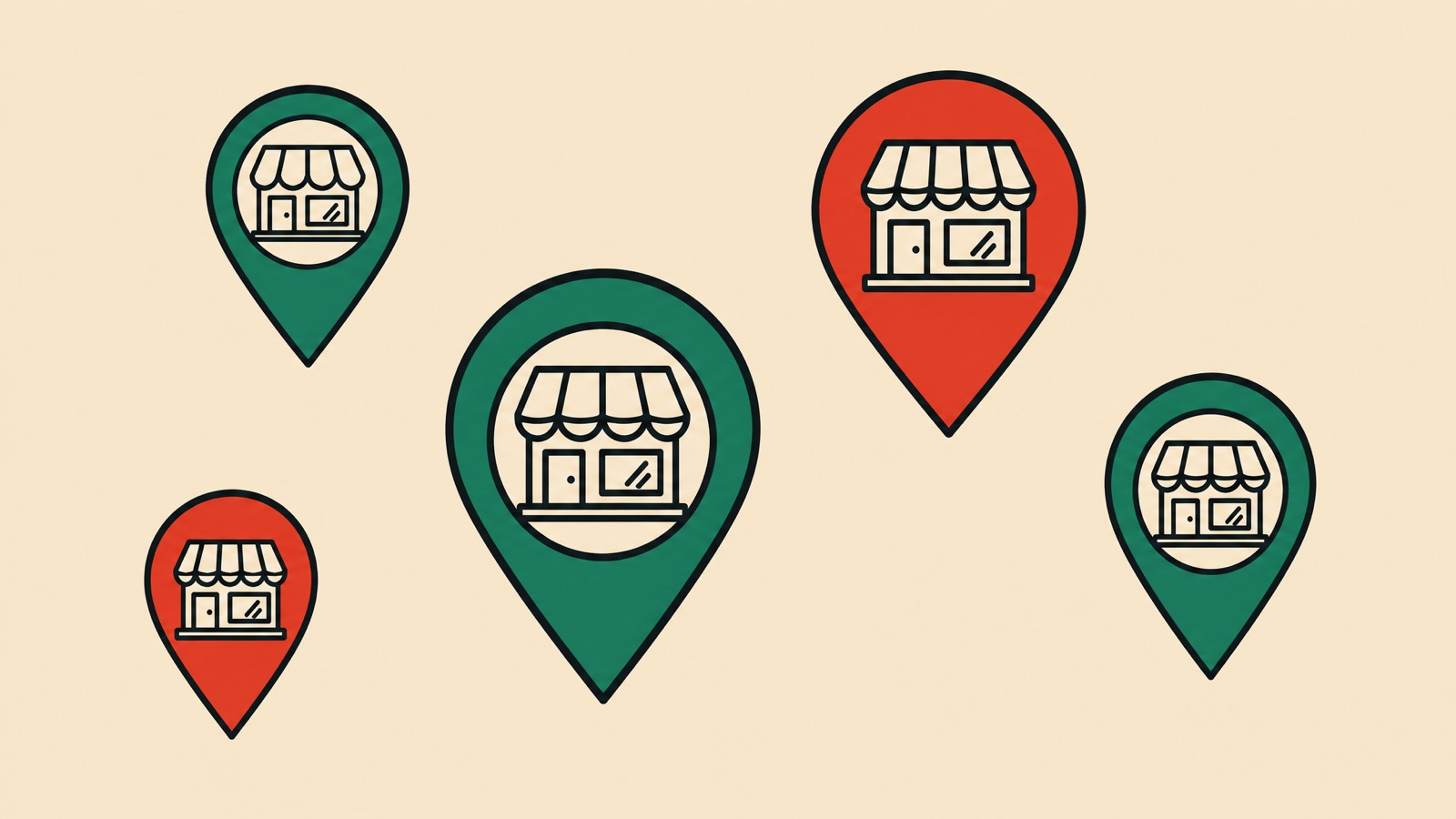
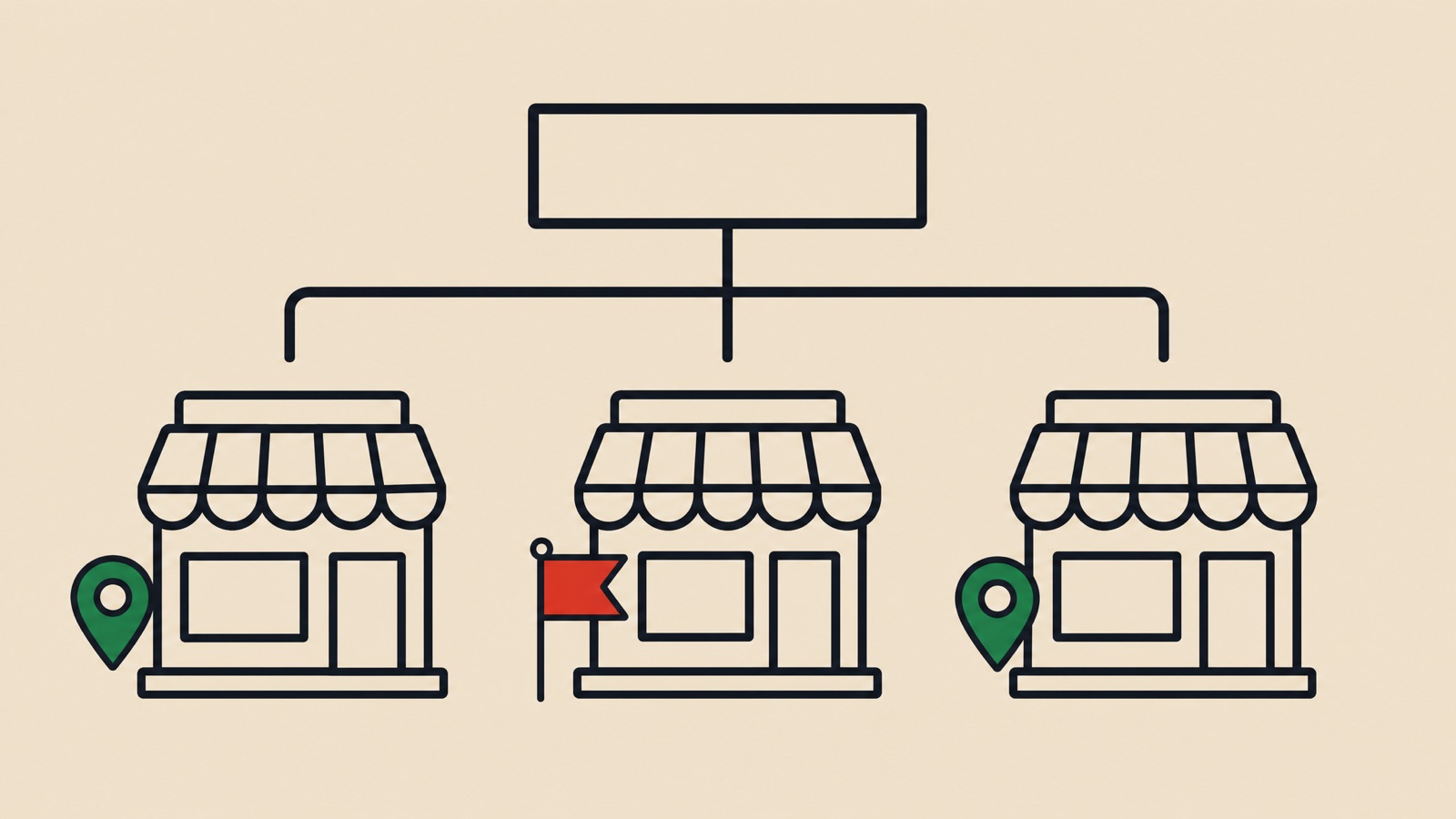
Running twenty profiles is not twenty times the risk of running one. It is a different kind of risk, because the thing that gets portfolios suspended is the thing that makes portfolios manageable: doing the same change everywhere at once.
In our case data around 55% of suspensions trace back to excessive editing, too many saves in one session across the name, address, phone, URL and category fields. For a single business that is one person tidying a profile on a Sunday. Across a portfolio, it is a scheduled maintenance job that touches forty listings in an afternoon.
Internally that is competence. Externally it is indistinguishable from coordinated manipulation.
Why the pattern reads as manipulation
Google’s systems are built to catch listing networks. The signature of a spam network is exactly what a well-run portfolio update looks like from outside: many profiles changing the same fields, in the same way, from the same account, in a short window.
Nothing in that detection can see your internal rebrand memo. It sees the shape.
The policy overview is direct about what it does with edits that change what a business fundamentally is: those that “attempt to significantly change the nature of a business are often fraudulent or indicate that the business listing should be removed”, and significant name or category changes may simply be rejected. (Overview of Google Business Profile policies)
Multiply that across a portfolio and you have a cascade rather than a single rejection.
Stagger everything
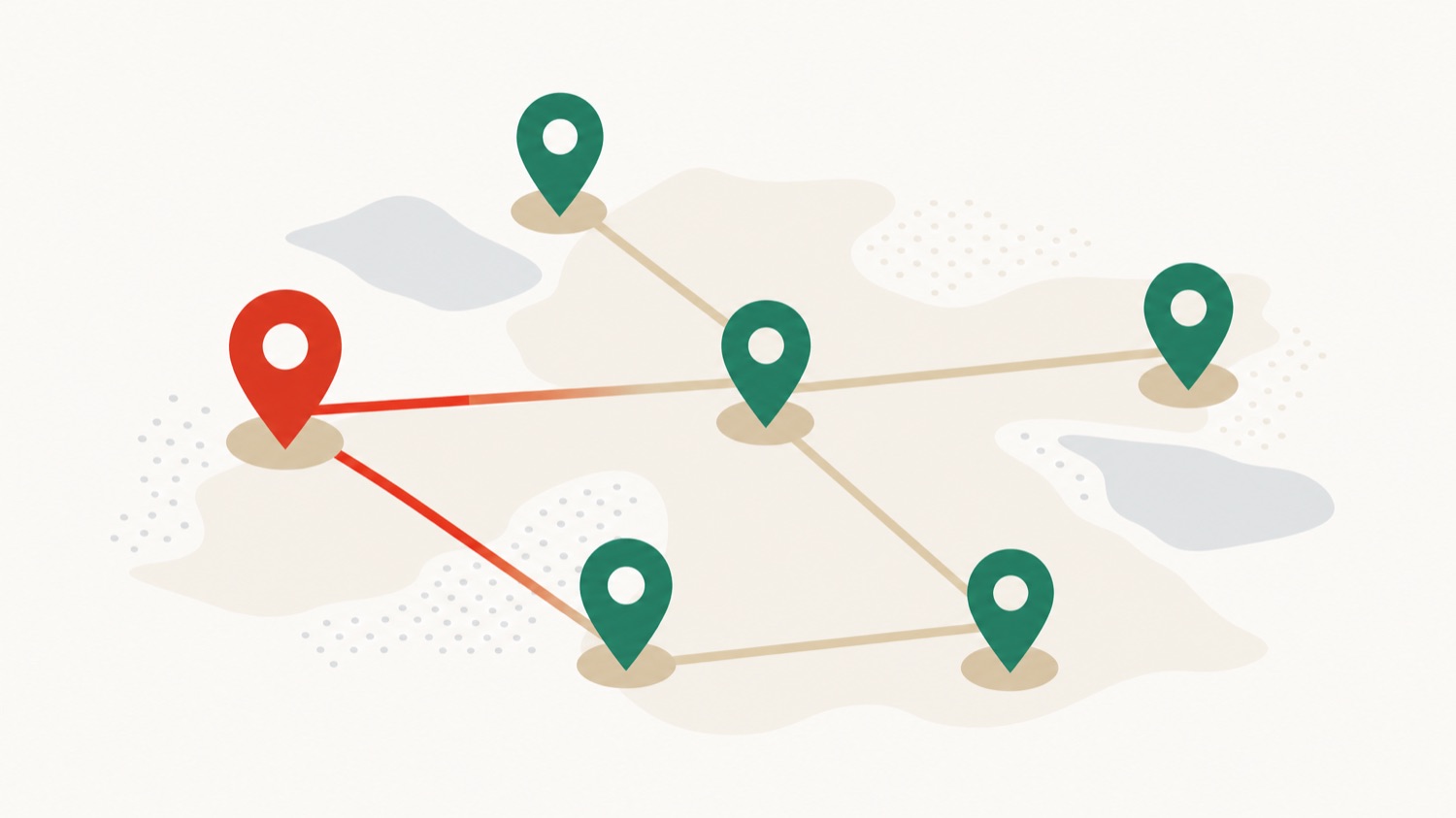
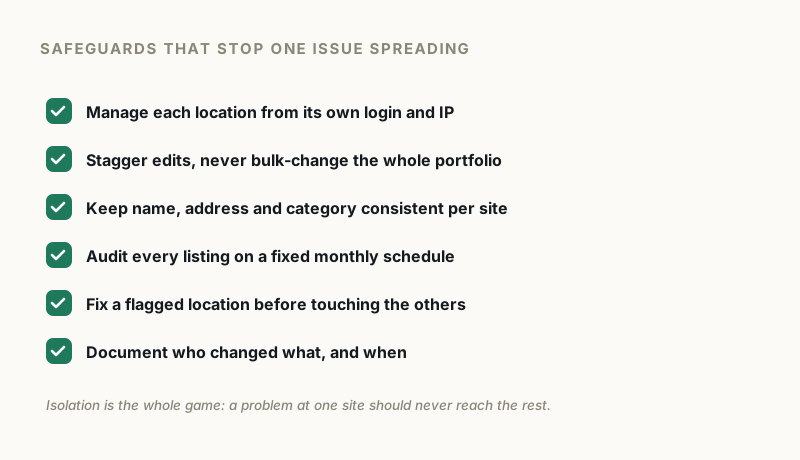
The practical protection is unglamorous. When a change has to reach every location, spread it out.
Do a handful of locations, wait, confirm they held, then continue. Days between batches rather than minutes. Start with lower-priority locations so that if something does trigger a review, it is not your highest-revenue site sitting in the queue.
Resist the tooling that makes it easy to push a change to everything at once. The convenience is precisely the risk.
And do the outside world first. Update the website, the directory listings and the internal systems before the profiles, so the profiles are confirming a change that already exists publicly rather than announcing one.
Get the structure right, honestly
There is popular advice to split locations across separate accounts to limit exposure. We do not recommend it. Deliberately fragmenting ownership to make a portfolio harder to associate is closer to obscuring ownership than managing it, and if the connection is discovered anyway, that pattern reads far worse than a single well-run account.
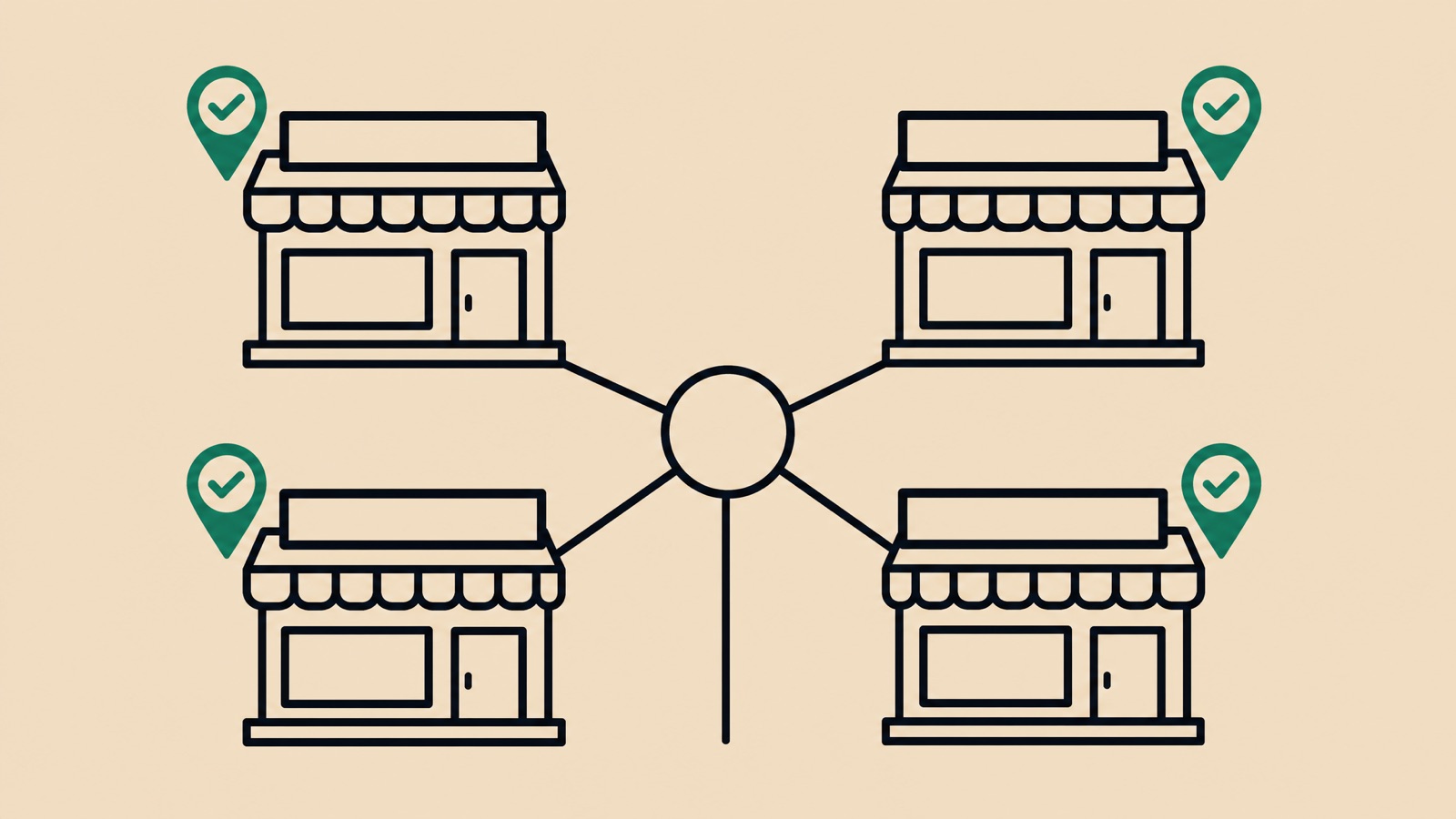
Use location groups, which is the mechanism Google provides for exactly this. Keep ownership on accounts the business genuinely controls, grant managers rather than transferring ownership, and remove access when people leave.
The rules on how many profiles you are entitled to are worth knowing precisely, because getting this wrong creates duplicates:
- A service-area business gets one profile for the whole area it serves, not one per town
- Genuinely separate locations, with their own staff and their own service areas, get one profile each
- A hybrid location that serves customers on site and travels to them shows its address and sets a service area
(Guidelines for representing your business on Google)
Creating a profile per city for a single operation is one of the more reliable ways to lose the whole set.
Consistency at scale
The second failure mode is drift. Forty locations, each edited by whoever was closest to the problem, gradually stop agreeing with each other and with the paperwork.
Write down the conventions and make them non-negotiable: how the business name is formatted, how addresses are written including suite handling, which primary category each location type uses, how hours are set.
Then check the portfolio against the documents on a schedule rather than when something breaks. Monthly spot checks across a sample, quarterly across everything, and watch for user-suggested edits, which Google can apply without asking you.
When several locations go down at once
Do not appeal everything simultaneously. That repeats the exact pattern that caused the problem, and it wastes attempts across the whole portfolio at the same time.
Work out how far it has spread and whether the flag sits on the listings or on the account, which matters more than the count. Find the shared cause, because a cascade almost always has one. Fix it everywhere, including on the locations that are still live. Then recover in sequence, highest-impact first, learning from each appeal before submitting the next.
Portfolio cases run slower than single-location ones, mostly because the diagnosis has to be right before anything is submitted. Getting it wrong at scale is expensive in a way that getting it wrong once is not, which is the main lesson from the multi-location work in our 300 supervised cases.
If several of your locations are down, or you have a portfolio-wide change coming up and want to know how exposed you are first, a free audit will tell you.
GBP Reinstatement Experts
Our team works exclusively on Google Business Profile suspensions, recovering suspended profiles for businesses of every size.
About our GBP reinstatement team arrow_forward