GBP Suspended for Deceptive Content: What It Means and How to Fix It
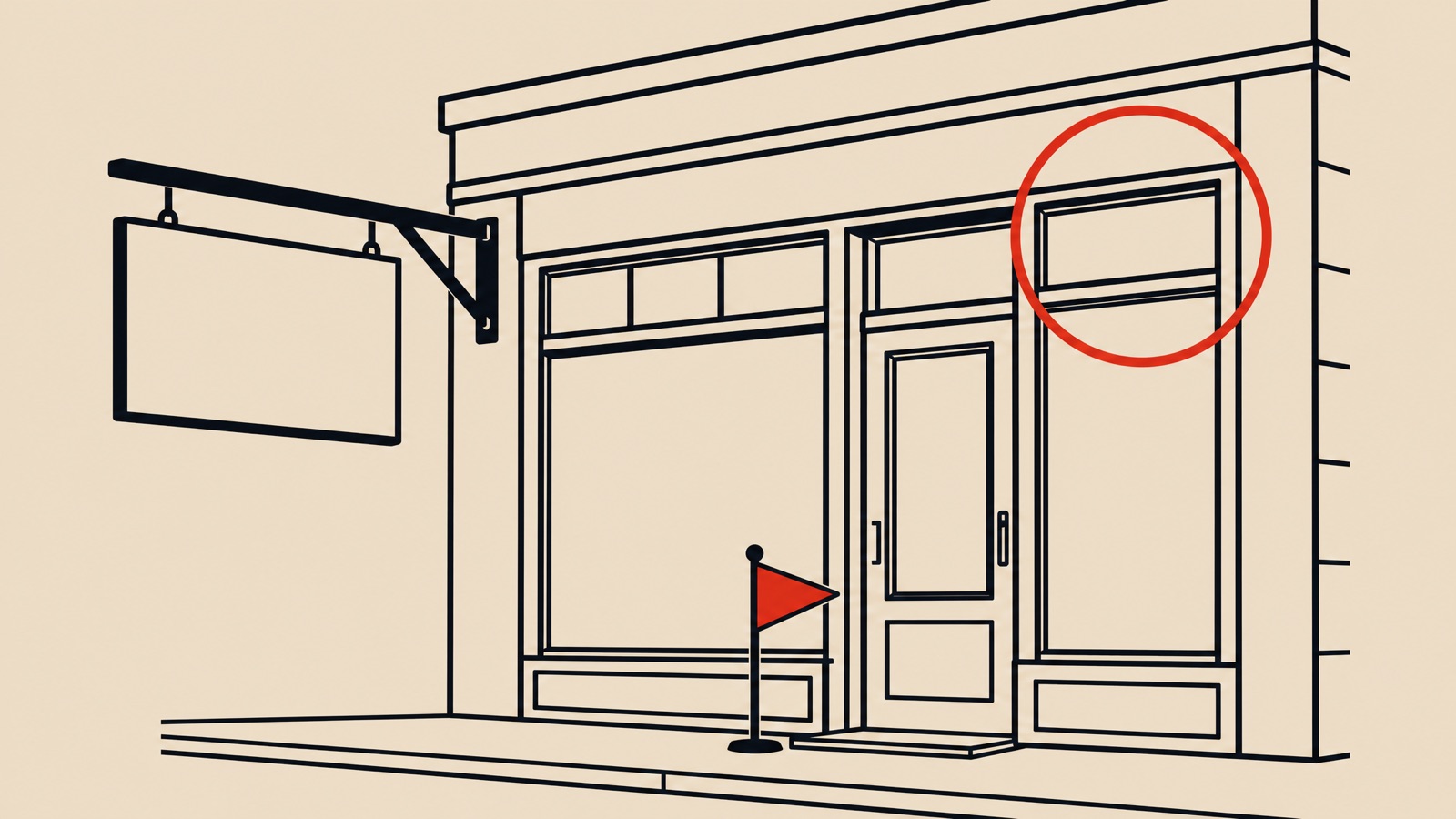
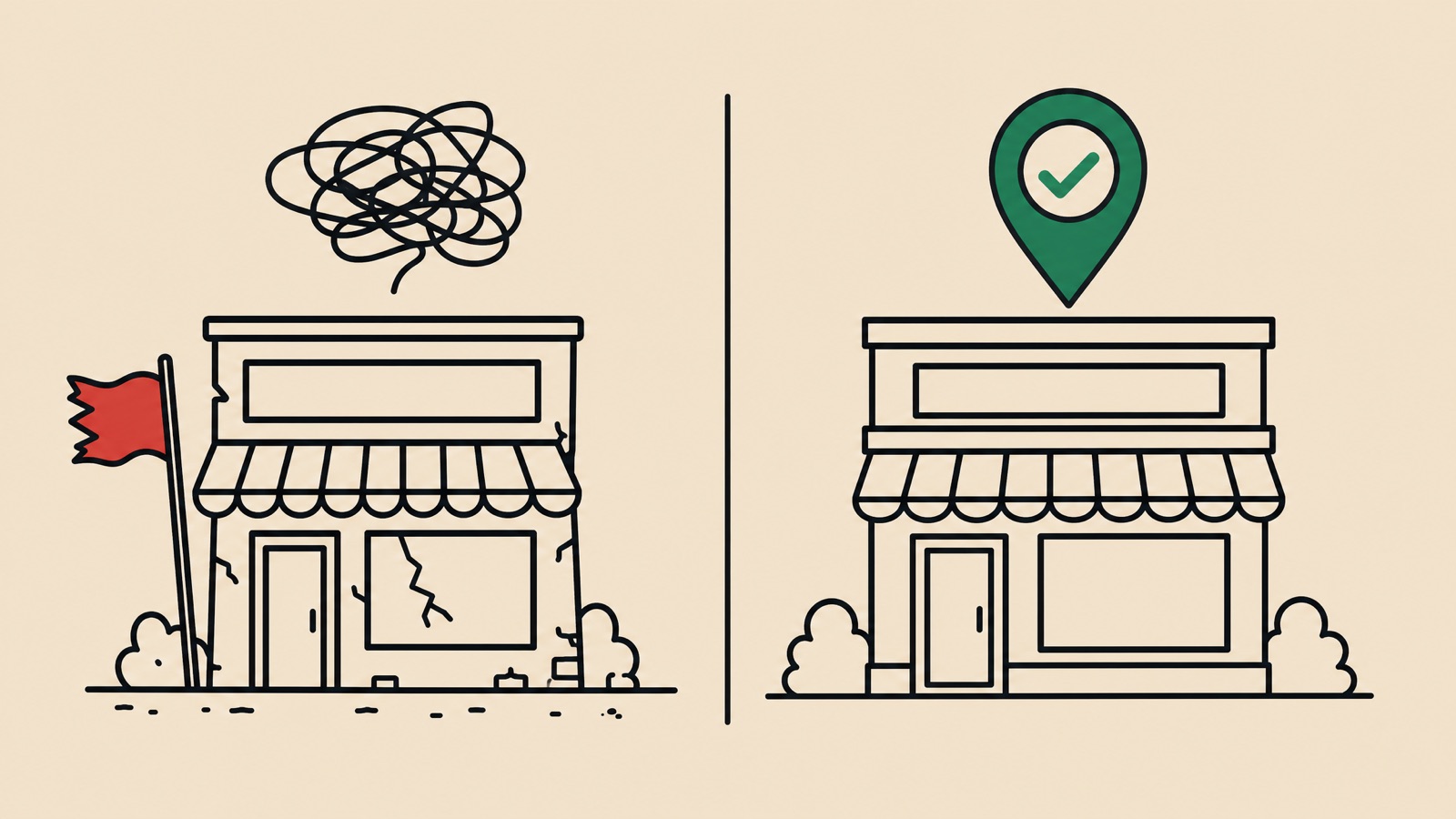
Being flagged for deceptive content reads like an accusation of fraud, and for most businesses that get it, it is not one.
The policy it sits under is about whether the information on a profile could mislead someone, not about whether you intended to mislead them. A profile can trip it through a name that was fine five years ago, or hours nobody updated. Understanding that distinction changes how you respond, because the fix is corrective rather than defensive.
What the policy actually covers
Google’s misrepresentation rules describe the behaviour they are catching:
“False or misleading accounts of the description or quality of a good or service. Distorting or omitting facts to scam other users. Distorting or omitting information that could have an undue impact on user decision making.”
(Prohibited and restricted content, Maps user contributed content policy)
Note “omitting”. You do not have to state something false. Leaving out something material counts.
The business representation guidelines then set the standard a profile is measured against: represent the business “as it’s consistently represented and recognized in the real world across signage, stationery, and other branding.” (Guidelines for representing your business on Google)
Consistency is the test. Where the profile and the real world disagree, the profile looks deceptive whether or not anyone meant it to.
The usual culprits
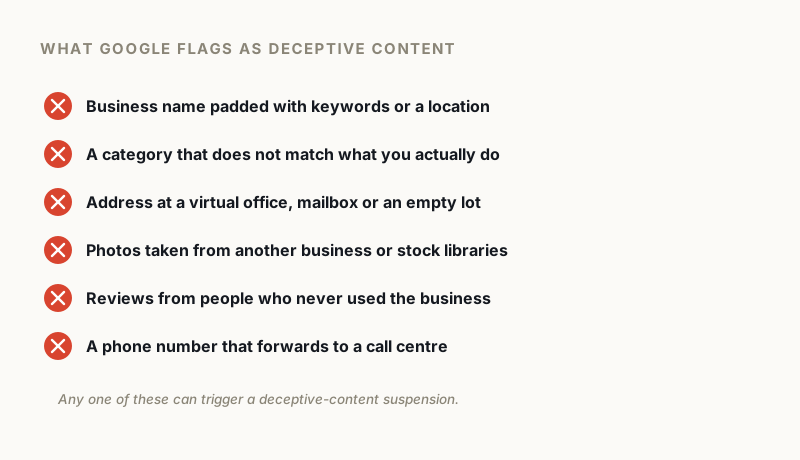
The business name. By far the most common. Google requires the name to “reflect your business’s real-world name, as used consistently on your storefront, website, stationery, and as known to customers”, and states that “including unnecessary information in your business name isn’t permitted, and could result in the suspension of your Business Profile.”
“Anderson Plumbing” is a name. “Anderson Plumbing | 24/7 Emergency Plumber Dallas” is a description that has been put in the name field.
The business description. The guidelines are specific about what it must not do: display “low-quality, irrelevant, or distracting content”, focus on “special promotions, prices, and offer sales”, or display links. Google is direct on that last one: “No links of any type are allowed.”
Categories. The instruction is to “choose the fewest number of categories it takes to describe your overall core business”. Claiming categories to widen your reach, especially licensed trades you do not hold a licence for, reads as misrepresentation.
Hours. 24/7 hours with nobody answering at 3am is a false claim about service availability, and it is one customers report.
Photos. Stock imagery presented as your premises fails the consistency test immediately, because it does not match anything verifiable.
Reviews carry their own documented penalties
This part is worth reading carefully, because the consequences are specific and published.
Google’s fake engagement policy prohibits soliciting content that “does not represent a genuine experience” and offering “incentives, such as payment, discounts, free goods and/or services, in exchange for posting any review or revision or removal of a negative review.”
Where Google determines a business violated it, the documented restrictions include the profile being unable to receive new reviews or ratings for a set period, existing reviews or ratings being unpublished for a set period, and the profile displaying “a warning to let consumers know that fake reviews were removed.” (Business Profile restrictions for policy violations)
That last one is the one to sit with. A public notice on your listing telling customers fake reviews were found there is worse than a temporary suspension, and it is not something an appeal quietly erases.
There is a legal layer too. The FTC’s Rule on the Use of Consumer Reviews and Testimonials carries civil penalties of up to $53,088 per violation for knowing violations, a figure raised from $51,744 in January 2025.
Finding what actually triggered it
The suspension email names a policy. Start there rather than guessing, because the fix differs completely depending on which one it is.
Then audit for disagreement rather than for wrongdoing. Put the profile beside your registration, your website, your signage and your invoicing, and look for any field where they do not say the same thing. Name, address, phone, categories, hours, description. That mismatch is usually the trigger.
The half-finished rename is the classic version. Keywords come off the profile, but stay in the website footer and on the van, so the inconsistency persists and the flag survives the appeal.
Fixing it in the right order
Fix everything first, appeal second. Google’s community guidance is explicit: “Address potential violations first, then gather strong evidence. Submitting without fixes often leads to denial.”
That means the profile, the website, and any directory still carrying the old name or address, all before you open the appeals tool. A rename in one place is not a rename.
Then document the correction plainly in the appeal: name the violation, name the fix, no defensiveness. “Our business name contained service keywords. They have been removed from the profile, our website and our invoicing, and the name now matches our state registration.”
When you do open the tool, have every file ready first. Google’s evidence form closes 60 minutes after you open it, and an appeal assessed without its evidence gets refused in a way that looks identical to any other refusal. (Google Business Profile Help)
Staying clear afterwards
The profile that got flagged once is the profile most likely to get flagged again, usually because the original inconsistency was fixed in one place only.
Keep the name matching your registration exactly. Keep hours honest, including holidays. Never incentivise reviews, in any form, including the well-meant “leave us a review and get 10% off” that plenty of businesses still run without realising it is a policy violation with published penalties.
Misrepresentation cases are usually recoverable, precisely because they are usually inconsistency rather than fraud, and inconsistency can be corrected. In our own casework the profiles that never came back were not the ones accused of deception. They were businesses that were never eligible for a listing in the first place.
If the flag is on your profile and you cannot see what triggered it, a free audit will find the mismatch and tell you what has to change before you appeal.
GBP Reinstatement Experts
Our team works exclusively on Google Business Profile suspensions, recovering suspended profiles for businesses of every size.
About our GBP reinstatement team arrow_forward